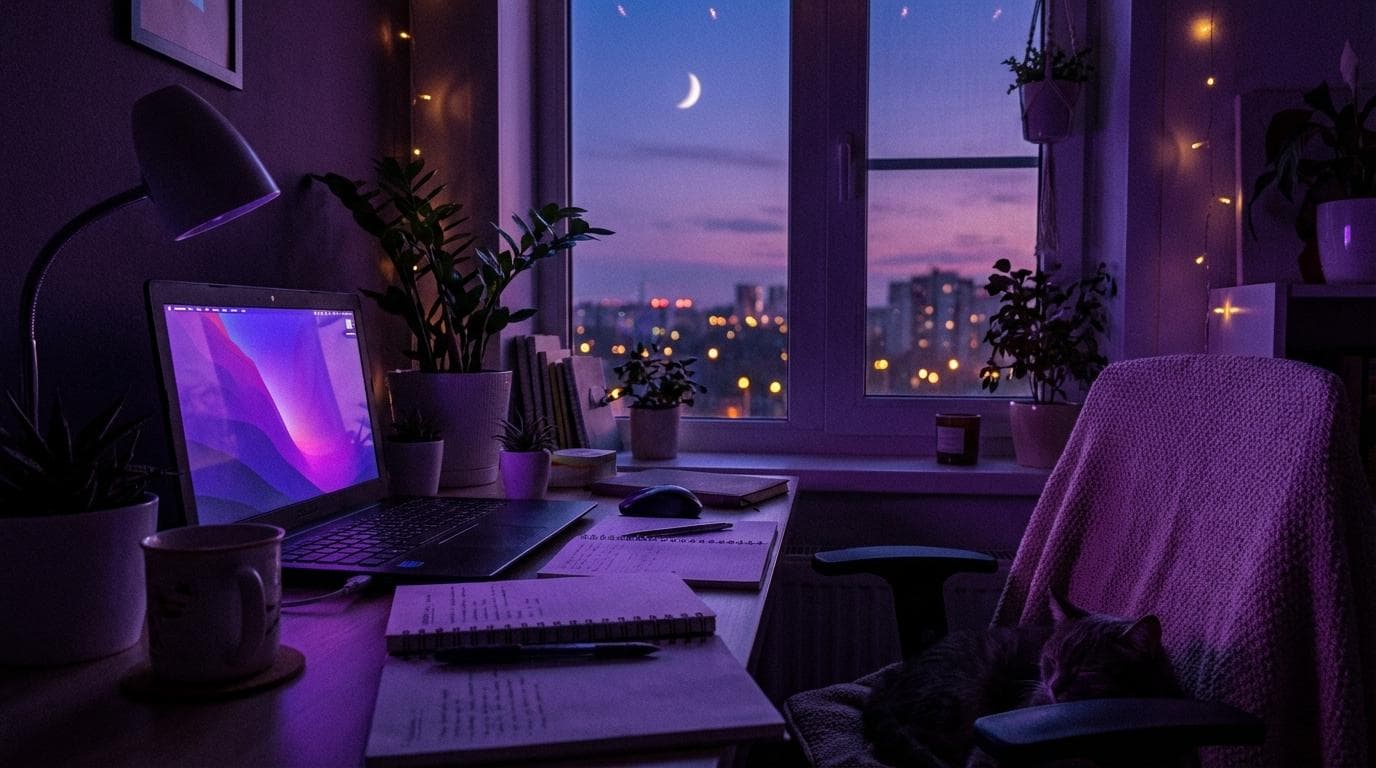
Are you the kind of person who feels most alive when the rest of the world is winding down? Do you often find your most creative ideas sparking late at night, only to be met with dread at the thought of an early alarm? If the struggle of a 9-to-5 world leaves you perpetually exhausted, battling brain fog, and constantly feeling out of sync, then you’re likely a Wolf chronotype – a true night owl in a world that often caters to early birds.
For too long, society has labeled late sleepers as lazy or undisciplined. But what if we told you it’s not a choice, but a deeply ingrained biological predisposition? At sleeparchetype.com, we understand that your sleep patterns are unique, and for Wolves, trying to force an early schedule is like trying to make a fish climb a tree – it goes against your very nature. This article is for you. We’re going to dive deep into the fascinating biology of the Wolf chronotype, explain why you’re wired this way, and, most importantly, provide practical, science-backed strategies to help you thrive, even in a world that often operates on a different clock.
Understanding Your Inner Wolf
Before we delve into the specifics of the Wolf, let’s briefly touch upon the concept of chronotypes. Your chronotype is your natural inclination to sleep at a certain time – essentially, your internal clock. It dictates when you feel most awake, most productive, and when you naturally feel tired. While there's a spectrum, chronotypes are often categorized into four distinct "archetypes" based on Dr. Michael Breus's work:
- Lions: The early risers, full of energy in the morning, fading in the afternoon. They're the quintessential early birds.
- Bears: The most common chronotype, aligned with the solar cycle. They wake with the sun and get tired as it sets, often needing 7-8 hours of sleep.
- Dolphins: The insomniacs, often light sleepers with irregular patterns, prone to anxiety and finding it hard to stick to a consistent schedule.
- Wolves: And then there’s you – the night owls. Wolves are most alert and productive in the late afternoon and evening, often feeling their best well after midnight. Early mornings are usually a struggle, marked by grogginess and a profound desire to hit the snooze button.
It's crucial to understand that being a Wolf isn't a personality quirk or a bad habit; it's a biological blueprint. You're not choosing to stay up late; your body's internal timing mechanisms are simply set later than most. This understanding is the first step towards self-compassion and effective sleep management.
The Biology Behind the Night Owl: Why You’re Wired This Way
To truly appreciate your Wolf nature, we need to talk about your circadian rhythm. This is your body's internal 24-hour clock, which regulates countless physiological processes, including your sleep-wake cycle. The master clock in your brain, the suprachiasmatic nucleus (SCN), is influenced by light and dark cues, and it orchestrates the release of key hormones that dictate when you feel sleepy and when you feel awake.
For Wolves, this internal clock is simply delayed. Here's how it plays out:
Delayed Melatonin Release
Melatonin is often called the "hormone of darkness" because its production increases as light fades, signaling to your body that it's time to prepare for sleep. In most people, melatonin levels begin to rise in the early evening. For Wolves, however, this surge is significantly postponed. Your body simply doesn't start producing melatonin until much later – often not until 11 PM, 12 AM, or even later. This means that even if you try to go to bed early, your brain isn't receiving the crucial chemical signal that it's time to wind down, making it incredibly difficult to fall asleep. You might lie awake for hours, feeling frustrated and restless, simply because your body isn't ready.
Late Cortisol Peak
Just as melatonin signals sleep, cortisol, often known as the "stress hormone," plays a vital role in waking you up. Cortisol levels typically peak in the early morning, giving most people that natural "get up and go" feeling. For Wolves, the cortisol peak is also delayed. Instead of rising sharply around 6 AM or 7 AM, your cortisol levels might not reach their peak until 9 AM, 10 AM, or even later. This explains why waking up early feels like such a monumental effort. Your body isn't physiologically primed to be alert and energetic at dawn; it's still in its "sleep preparation" phase. This late cortisol peak contributes to that pervasive morning grogginess and the feeling that you're dragging yourself through the first few hours of the day.
This delayed phase in your circadian rhythm is largely genetic. Research suggests that specific genes influence chronotype, meaning you inherited your night owl tendencies. It's not a character flaw; it's a biological reality. Trying to force your body to operate against this fundamental wiring can lead to a host of problems.
The Problem with Fighting Your Chronotype
When you consistently try to override your natural Wolf chronotype by forcing yourself into an early bird schedule, you're essentially living in a state of chronic sleep deprivation and circadian misalignment. This isn't just about feeling tired; it has serious consequences for your physical and mental health:
- Persistent Fatigue and Brain Fog: Constantly waking up before your body is ready means you're not getting enough restorative sleep. This leads to pervasive tiredness, difficulty concentrating, impaired memory, and reduced cognitive function – the dreaded "brain fog."
- Increased Irritability and Mood Swings: Sleep deprivation significantly impacts emotional regulation. You might find yourself more prone to frustration, anxiety, and even symptoms of depression.
- Reduced Productivity and Creativity: While you might be present at work or school, your peak performance hours are later in the day. Trying to be productive during your biological "off-peak" hours is a struggle, often resulting in lower quality work and increased errors.
- Metabolic Health Risks: Chronic sleep deprivation and circadian misalignment have been linked to an increased risk of obesity, type 2 diabetes, and cardiovascular disease. Disrupted sleep can affect appetite-regulating hormones, leading to increased cravings for unhealthy foods.
- Weakened Immune System: Insufficient sleep can compromise your immune response, making you more susceptible to illness.
- Social Jet Lag: This occurs when your weekday sleep schedule is significantly different from your weekend schedule. For Wolves, this often means pushing through early mornings during the week and then "catching up" on sleep on weekends, leading to a constant state of internal jet lag that exacerbates all the issues above.
Living against your chronotype is an uphill battle that takes a toll on every aspect of your life. The good news is, understanding this empowers you to make changes that align with your biology, not against it.
Embracing Your Wolf: Crafting Your Ideal Sleep Schedule
The most effective way for a Wolf to thrive is to embrace their natural rhythm as much as possible. While societal constraints can be challenging, even small adjustments can make a significant difference.
The Ideal Wolf Schedule
If you had complete freedom, your ideal schedule might look something like this:
- Bedtime: Between 12:00 AM and 3:00 AM. This allows your body to naturally produce melatonin and wind down when it's biologically ready.
- Wake-up Time: Between 8:00 AM and 11:00 AM. This ensures you wake up closer to your natural cortisol peak, feeling more refreshed and alert.
- Peak Productivity: Late afternoon and evening (e.g., 4:00 PM to 11:00 PM). This is when your brain is firing on all cylinders, making it the best time for focused work, creative tasks, or intense study.
Of course, this ideal isn't always achievable. But by understanding it, you can work towards minimizing the gap between your ideal and your reality.
Practical Recommendations & Strategies for Wolves
- Prioritize Consistency (Even if it's Late): This is perhaps the most crucial tip. Your circadian rhythm thrives on regularity. Even if your bedtime is 2 AM and your wake-up time is 10 AM, stick to it seven days a week as much as possible. Avoiding "social jet lag" on weekends is paramount for a Wolf.
- Optimize Your Sleep Environment:
- Darkness is Key: Ensure your bedroom is pitch black. Use blackout curtains, an eye mask, and cover any glowing electronics. Even small amounts of light can suppress melatonin production, which is already delayed for you.
- Cool and Quiet: Maintain a cool room temperature (around 65°F or 18°C) and minimize noise.
- Strategic Light Exposure Management: Light is the most powerful cue for your circadian rhythm.
- *Morning (if you must wake early): If you absolutely cannot avoid an early wake-up, try to expose yourself to bright light (natural sunlight or a light therapy lamp) as soon as you wake up. While this won't magically shift your chronotype, it can help slightly* nudge your internal clock earlier and suppress residual melatonin.
- Evening: This is where Wolves need to be extra vigilant. Begin dimming lights in your home 2-3 hours before your intended bedtime. Use warm, low-intensity lighting. Critically, block blue light from screens (phones, tablets, computers, TVs) for at least 2-3 hours before bed. Use blue light filtering apps or glasses. Since your melatonin production is already delayed, you need to be proactive in signaling darkness to your brain.
- Midday/Afternoon: Get plenty of natural light exposure during your peak awake hours to reinforce your later circadian rhythm.
- Caffeine Management: Caffeine has a long half-life. Avoid caffeine after your early afternoon. For a Wolf, this might mean cutting off caffeine around 2 PM or 3 PM at the latest to ensure it doesn't interfere with your already late melatonin release.
- Meal Timing: Align your meals with your later schedule. Avoid heavy meals close to your bedtime, as digestion can interfere with sleep. Aim to finish your last significant meal at least 2-3 hours before you plan to sleep.
- Exercise Timing: Moderate to vigorous exercise can be beneficial for sleep, but timing is important. For many Wolves, late afternoon or early evening (e.g., 4 PM - 7 PM) can be an excellent time for a workout, aligning with your peak energy window. However, avoid intense exercise too close to bedtime (within 2-3 hours) as it can be too stimulating.
- Wind-Down Routine: Create a relaxing bedtime routine that signals to your body it’s time to prepare for sleep, even if that preparation starts later than for others. This could include a warm bath, reading a physical book, gentle stretching, meditation, or listening to calming music. Remember, this routine should start when your body is naturally ready to begin its wind-down, not when society dictates.
- Communicate and Advocate: Where possible, communicate your chronotype to family, friends, and even employers. Explain that it's a biological reality, not a preference. Explore flexible work arrangements, remote work options, or job roles that align better with your peak performance times. Many companies are becoming more understanding of diverse work schedules.
Living in a Lion’s World: Navigating Inflexible Schedules
We understand that not everyone has the luxury of fully embracing their ideal Wolf schedule. Many jobs, family commitments, and societal norms demand early mornings. If you find yourself in this situation, the goal shifts from ideal alignment to harm reduction and maximizing the quality of sleep you can get.
- Prioritize Sleep Duration: Even if you can't shift your schedule, aim for the recommended 7-9 hours of sleep. This might mean going to bed earlier than your body prefers, but it's crucial for health.
- Consistency Within Constraints: Stick to the same sleep and wake times as much as your schedule allows, even if it's not your ideal. This minimizes circadian disruption.
- Leverage Weekends Wisely: While avoiding social jet lag is ideal, if you must wake early during the week, allow yourself to sleep in a little on weekends, but try not to overdo it (e.g., no more than an hour
Discover Your Sleep Chronotype
Take our free quiz to find your unique sleep chronotype and get a personalized 8-week program to optimize your sleep and energy.
Take the Free Quiz →More Articles
Social Jetlag: Why Your Weekend Sleep Habits Are Ruining Your Monday
Social jetlag disrupts your circadian rhythm every weekend. Learn how inconsistent sleep timing affects metabolism, mood, and long-term health by chronotype.
The Best Time to Nap Based on Your Chronotype
Discover the best time to nap based on your chronotype. Learn how Lions, Bears, Wolves, and Dolphins should time 20 vs 90-minute naps for maximum alertness.
How Much Sleep Do You Actually Need? (It Depends on Your Chronotype)
Discover how much sleep you actually need based on your chronotype. Bears, lions, wolves, and dolphins each have different optimal sleep durations.