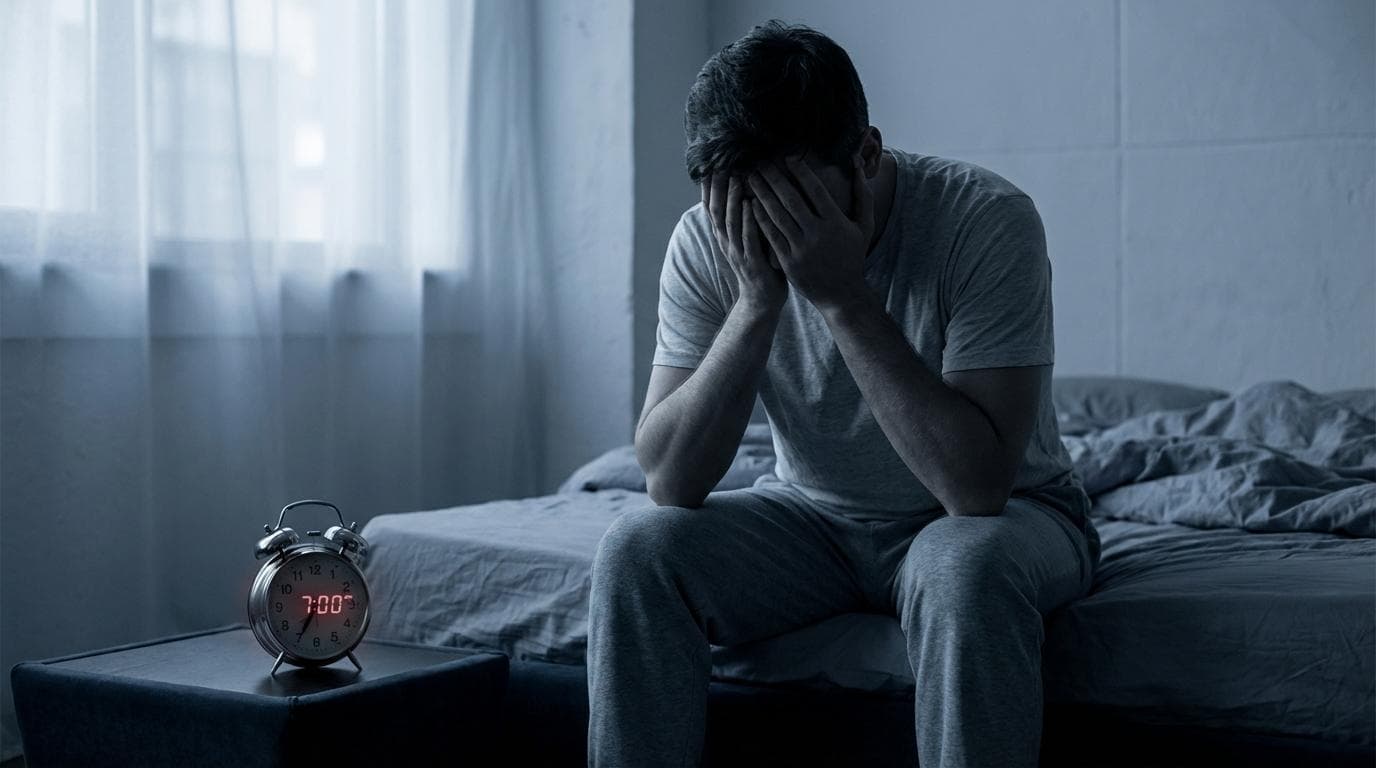
You diligently track your sleep, ensuring you hit that golden 8-hour mark every night. You go to bed at a reasonable hour, wake up without hitting snooze too many times, and yet, the moment your feet hit the floor, a familiar wave of exhaustion washes over you. You feel sluggish, mentally foggy, and utterly drained, as if you’ve barely slept at all. It’s a frustrating paradox: you’re doing everything "right," but your body stubbornly refuses to cooperate. "Why am I so tired even after 8 hours of sleep?" you wonder, feeling increasingly bewildered by your persistent fatigue.
You're not alone in this experience. This common predicament leaves many feeling defeated, questioning whether they're somehow fundamentally flawed or if there's a secret to restorative sleep they're missing. The truth is, while the quantity of sleep is important, it's only one piece of a much larger, more intricate puzzle. Feeling tired despite adequate hours often points to underlying factors related to the quality of your sleep, the alignment of your body's natural rhythms, and even how you transition from sleep to wakefulness. Understanding these elements is the key to unlocking the truly restorative rest your body craves.
Beyond the Clock: The Quality vs. Quantity Dilemma
For years, the mantra has been "get 8 hours of sleep." While a good guideline, it's crucial to understand that 8 hours on the clock doesn't automatically translate to 8 hours of effective rest. Think of it like eating a meal: you can consume a large quantity of food, but if it’s all junk, your body won't receive the nutrients it needs to thrive. Similarly, if your sleep is fragmented, shallow, or otherwise compromised, your body and mind won't get the deep restorative benefits they require, regardless of how long you spend in bed.
Sleep quality refers to how well you sleep, encompassing factors like how quickly you fall asleep, how often you wake up during the night, and the proportion of time spent in each crucial sleep stage. Poor quality sleep can leave you feeling just as exhausted, if not more so, than insufficient sleep. It’s the difference between merely existing in a state of unconsciousness and truly undergoing the vital physiological and psychological repair work that happens during a healthy night's rest.
The Architecture of Rest: Understanding Sleep Stages
To truly understand why 8 hours might not be enough, we need to delve into the intricate architecture of a typical night's sleep. Sleep isn't a monolithic state; it's a dynamic process comprising distinct stages, each playing a vital role in your physical and mental restoration. A full sleep cycle typically lasts around 90 minutes and repeats 4-6 times throughout the night.
Non-Rapid Eye Movement (NREM) Sleep
NREM sleep is divided into three stages:
- NREM Stage 1 (N1): This is the very beginning of your sleep journey, a transitional phase between wakefulness and sleep. It's often described as drifting off, characterized by slow eye movements and muscle relaxation. You're easily awakened during this light sleep stage.
- NREM Stage 2 (N2): As you descend into N2, your body temperature drops, heart rate slows, and brain waves become slower. This is a deeper, more stable stage of sleep, and you spend about 50% of your total sleep time here. Your body prepares for the deepest restorative sleep.
- NREM Stage 3 (N3): This is often referred to as deep sleep or slow-wave sleep, and it’s arguably the most physically restorative stage. During N3, your brain waves are at their slowest, and it's very difficult to wake someone. This is when your body repairs tissues, grows and develops, strengthens the immune system, and releases growth hormones. A lack of sufficient deep sleep is a major contributor to feeling physically exhausted and mentally foggy, even after a long night.
Rapid Eye Movement (REM) Sleep
Following NREM N3, you cycle back through N2 and then enter REM sleep. This stage is characterized by rapid eye movements (hence the name), increased brain activity similar to wakefulness, temporary muscle paralysis (to prevent you from acting out your dreams), and vivid dreaming. REM sleep is crucial for cognitive functions like memory consolidation, learning, problem-solving, and emotional regulation. It helps process information and experiences from the day, cementing them into your long-term memory. Waking up during REM sleep can sometimes leave you feeling disoriented or groggy.
If your sleep is frequently interrupted, or if factors like alcohol, certain medications, or sleep disorders prevent you from spending adequate time in N3 and REM stages, you’ll miss out on these critical restorative processes. Even if your sleep tracker shows 8 hours, if those hours are dominated by light N1/N2 sleep or frequent awakenings, you're not getting the quality rest you need.
The Inner Clock: Chronotype Misalignment
Beyond the stages of sleep, another powerful, often overlooked factor influencing your energy levels is your chronotype. Your chronotype is your natural, genetically determined predisposition to sleep and wake at certain times, dictated by your circadian rhythm – your body's internal 24-hour clock. Society often operates on a "one-size-fits-all" sleep schedule, which can lead to significant chronotype misalignment for many.
Trying to force your body into a sleep schedule that goes against its natural rhythm is like trying to drive a car that's programmed to run on diesel with gasoline – it might chug along, but it will never perform optimally and will eventually break down. This constant battle against your biology can be a major reason for persistent fatigue.
Let's explore the four primary chronotypes:
The Lion Chronotype
Lions are the quintessential early risers. Their internal clock naturally wakes them before dawn, full of energy and ready to tackle the day. They are most productive and focused in the mornings, with their energy levels typically waning by mid-afternoon. Lions thrive on early bedtimes and consistent morning routines. Forcing a Lion to stay up late or sleep in will leave them feeling sluggish and out of sync. If you're a Lion trying to keep Wolf-like hours, you'll feel perpetually tired, even if you eventually get "enough" sleep.
The Bear Chronotype
The Bear chronotype is the most common, aligning closely with the solar cycle. Bears generally feel sleepy when the sun sets and wake up naturally with the sunrise. They tend to have a relatively stable sleep-wake pattern, preferring 7-8 hours of sleep. Their peak productivity often occurs in the late morning and early afternoon, with a slight dip in energy after lunch. Bears are generally adaptable to standard 9-to-5 work schedules, but they still benefit greatly from consistency and exposure to natural light to regulate their rhythm.
The Wolf Chronotype
Wolves are the classic night owls. Their energy peaks in the late afternoon and evening, making them most productive and creative when others are winding down. They naturally prefer to go to bed late and wake up late. Forcing a Wolf into an early morning schedule (like a typical 9-to-5 job) results in chronic social jet lag, where their internal clock is constantly out of sync with their external demands. This misalignment is a significant source of fatigue, as their body is forced to wake up before it's physiologically ready, and their peak performance hours are often spent trying to recover from early rising.
The Dolphin Chronotype
The Dolphin chronotype is characterized by light, often restless sleep. Dolphins are typically intelligent, anxious, and prone to insomnia. Their sleep patterns are often irregular, and they may struggle to fall asleep, stay asleep, or achieve deep, restorative rest. They are often "one-brain-half-on-alert" sleepers, hyper-vigilant even during sleep. For Dolphins, the quantity of sleep might be there on paper, but the quality is almost always compromised due to their inherent difficulty in achieving deep, uninterrupted rest. They benefit immensely from strict sleep hygiene, stress management, and consistent routines to coax their nervous systems into relaxation.
If your daily schedule consistently clashes with your natural chronotype, you're essentially living in a state of perpetual jet lag. This chronotype misalignment can lead to chronic fatigue, reduced cognitive function, mood disturbances, and even increased risk for certain health conditions. Even if you manage to squeeze in 8 hours, if those hours are forced and out of sync with your internal clock, your body will struggle to perform its vital restorative functions efficiently.
The Morning Fog: Battling Sleep Inertia
Another common reason for feeling tired despite sufficient sleep is sleep inertia. This is the grogginess, disorientation, and impaired cognitive and motor performance you might experience immediately after waking up. It's that feeling of your brain still being "asleep" even though your body is awake.
Sleep inertia is a physiological phenomenon. When you wake up, especially from deep sleep (NREM Stage 3), certain areas of your brain responsible for alertness and executive function take longer to "power up" than others. Your prefrontal cortex, crucial for decision-making and problem-solving, can remain in a sleep-like state for minutes or even hours after you've opened your eyes.
Factors that contribute to more severe sleep inertia include:
- Being woken abruptly from deep sleep.
- Insufficient overall sleep.
- Irregular sleep schedules.
- Waking up during the wrong part of your natural sleep cycle.
While sleep inertia is a normal part of waking, if it's consistently severe and prolonged, it can make those initial hours of your day feel incredibly draining, even if you technically got 8 hours. You might be "awake" but not truly alert or functional, leading to that pervasive feeling of tiredness. Minimizing sleep inertia involves consistent sleep schedules, waking up at the ideal point in your sleep cycle (which can be aided by understanding your chronotype), and exposing yourself to bright light soon after waking.
Other Hidden Culprits Behind Persistent Fatigue
While sleep quality, chronotype, and sleep inertia are major players, several other factors can contribute to feeling tired even after 8 hours:
- Undiagnosed Sleep Disorders: Conditions like sleep apnea (pauses in breathing during sleep), insomnia (difficulty falling or staying asleep), or restless legs syndrome can severely disrupt sleep quality, often without the individual being fully aware of the extent of the problem.
- Diet and Hydration: A diet high in processed foods, sugar, and unhealthy fats can lead to energy crashes. Dehydration also significantly impacts energy levels.
- Lack of Physical Activity: While it seems counterintuitive, regular exercise boosts energy and improves sleep quality. Sedentary lifestyles can contribute to fatigue.
- Chronic Stress and Anxiety: Persistent stress keeps your body in a state of high alert, making it difficult to relax and achieve deep, restorative sleep.
- Medical Conditions: Underlying health issues like thyroid disorders, anemia, vitamin deficiencies (e.g., Vitamin D, B12), chronic fatigue syndrome, or even certain medications can manifest as persistent tiredness.
Reclaiming Your Rest: Steps Towards Better Sleep
The good news is that understanding these factors empowers you to take action. If you're consistently tired despite sleeping 8 hours, it's time to shift your focus from merely counting hours to optimizing your sleep quality and aligning with your body's natural rhythms.
Start by observing your natural tendencies – when do you feel most energetic? When do you naturally get sleepy? When do you wake up without an alarm? This self-awareness is the first step towards identifying your chronotype and designing a sleep schedule that truly supports your unique biology. Implementing consistent sleep hygiene practices – maintaining a regular sleep schedule (even on weekends), creating a dark, quiet, cool sleep environment, limiting screen time before bed, and managing stress – will also significantly improve your sleep quality.
Ready to discover your chronotype? Take our free 2-minute quiz at sleeparchetype.com and get a personalized 8-week sleep program.
Further Reading:
Discover Your Sleep Chronotype
Take our free quiz to find your unique sleep chronotype and get a personalized 8-week program to optimize your sleep and energy.
Take the Free Quiz →More Articles
Social Jetlag: Why Your Weekend Sleep Habits Are Ruining Your Monday
Social jetlag disrupts your circadian rhythm every weekend. Learn how inconsistent sleep timing affects metabolism, mood, and long-term health by chronotype.
The Best Time to Nap Based on Your Chronotype
Discover the best time to nap based on your chronotype. Learn how Lions, Bears, Wolves, and Dolphins should time 20 vs 90-minute naps for maximum alertness.
How Much Sleep Do You Actually Need? (It Depends on Your Chronotype)
Discover how much sleep you actually need based on your chronotype. Bears, lions, wolves, and dolphins each have different optimal sleep durations.